
Why Do Some People Feel Emotions More Intensely Than Others?
If you're someone who feels things strongly, you may have heard that you're "too sensitive" or that you just need to "calm down." But research suggests there's more going on than that. Feeling emotions intensely isn't simply a character flaw or a choice. For some people, it's a real and measurable difference in how they're wired.

The Role of Rest in Brain Healing
Whether you're recovering from a concussion, managing chronic stress, or simply feeling mentally exhausted, you've probably heard the advice: "Get some rest." But what does that actually mean? And more importantly, how does rest help the brain heal?

Can You Improve Memory Naturally?
Everyone forgets things from time to time, whether it's where you put your phone, an upcoming appointment, or someone's name. Occasional forgetfulness is a normal part of life. The good news is that memory isn't fixed. Your brain has the ability to strengthen many of its memory processes through healthy daily habits.

How Your Breakfast Can Sabotage Your Focus
It’s 3:00 PM. You feel irritable, exhausted, and are desperately reaching for a second cup of coffee or a sugary snack to get through the day. We usually blame our sleep, our stress, or our workload for this afternoon slump. But the real culprit is often much simpler: it's, in part, due to what you had for breakfast hours ago.
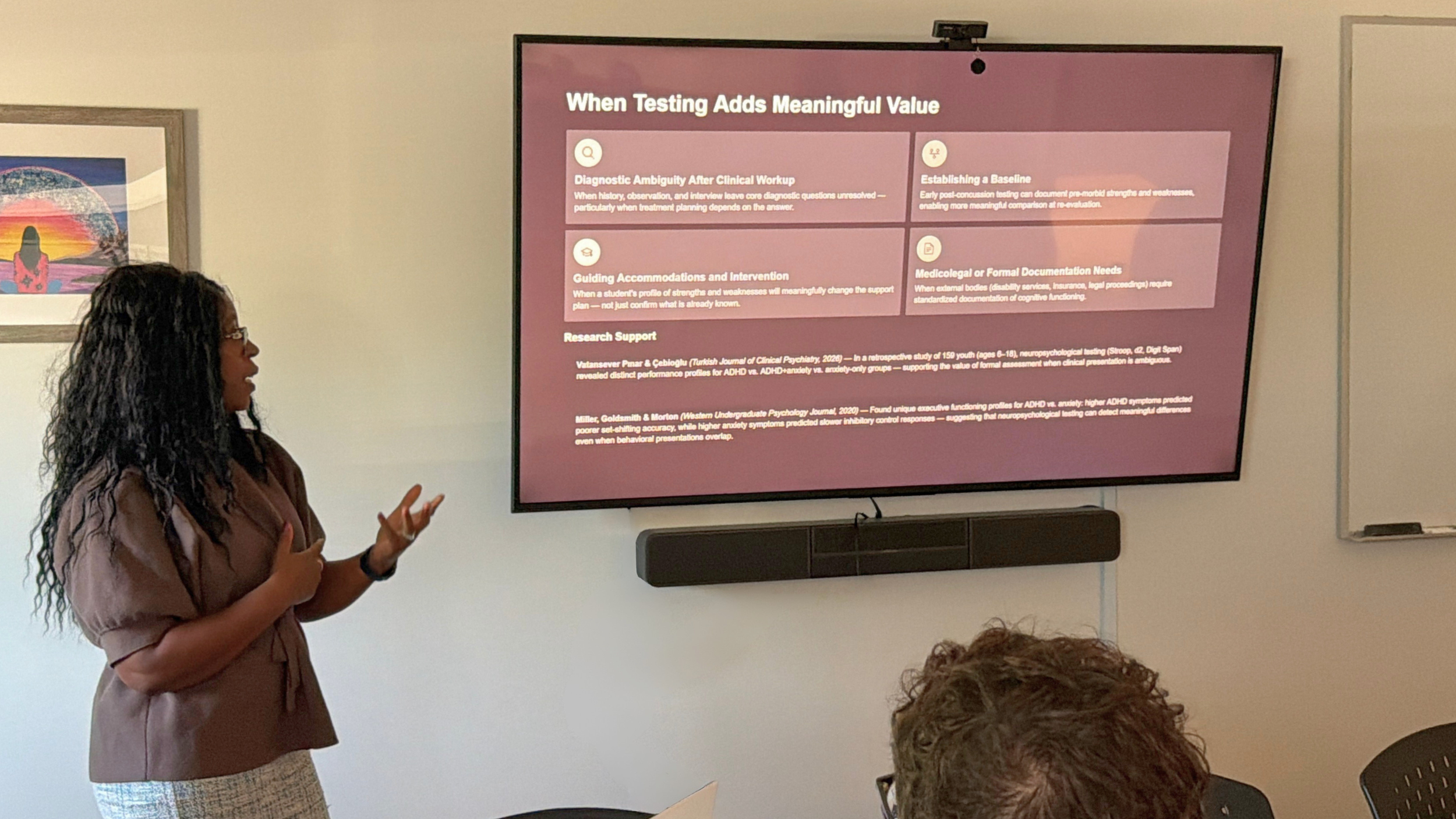
How Universities Can Better Support Students with ADHD, Anxiety, and Concussion: Insights from Dr. Nicole Murray's Presentation at Trent University
Dr. Nicole Murray recently presented to Trent University's Accessibility Services, Student Wellness, Counselling, and Health Promotion teams, sharing practical, evidence-based strategies to help professionals differentiate ADHD, anxiety, and post-concussion symptoms while supporting student success.

The Impact Dementia has on Emotional Regulation
When most people think about dementia, memory loss is often the first symptom that comes to mind. However, dementia affects much more than a person's ability to remember names, dates, or events. One of the most significant yet often overlooked changes involves emotional regulation, the ability to recognize, manage, and respond to emotions appropriately. For individuals living with dementia and their loved ones, emotional changes can sometimes be more challenging than cognitive symptoms. Understanding why these changes occur can help families, caregivers, and healthcare professionals provide more effective support while fostering greater compassion and patience.

Healthy Ways to Process Stress and Protect Your Mental Health
Stress is part of being human. The goal is not to eliminate it. The goal is to process it in a way that helps your mind and body recover instead of staying stuck in a constant state of tension. Many people think they are managing stress because they are distracting themselves from it. Scrolling social media, binge-watching television, staying busy, or pushing through exhaustion can provide temporary relief. The problem is that stress often remains in the background, continuing to affect sleep, concentration, mood, and physical health. Processing stress means acknowledging it, understanding what is driving it, and giving your brain and body opportunities to recover.

What Does ADHD Look Like in Adults?
Many adults with ADHD do not fit the stereotype people often imagine. They may be successful at work, highly educated, organized in some areas of life, and capable of managing significant responsibilities. From the outside, they can appear productive and “high-functioning.” But internally, many are working much harder than others just to keep up.

Understanding Personality and Behaviour Changes After Brain Injury
When people think about brain injuries, they often picture physical symptoms such as headaches, dizziness, or memory problems. What is less commonly discussed is how a brain injury can also affect personality, emotions, behaviour, and relationships. For many individuals and families, these changes can be among the most difficult parts of recovery to understand and manage.

Can Lifestyle Choices Delay Cognitive Decline?
While no lifestyle change can completely prevent conditions like Dementia, strong evidence shows that the way you live, how you move, sleep, eat, and connect, can help delay cognitive decline and support long-term brain health.

What Does ‘Looking Fine’ After a Head Injury Really Mean?
After a head injury, one of the most common things people hear is: “You look fine.” But when it comes to brain health, appearances can be misleading. Just because someone looks okay on the outside doesn’t mean their brain has fully recovered.

Boosting Memory Naturally with Strategies that Work
We’ve all been there, walking into a room and forgetting why you went in, or blanking on a person's name two seconds after they introduced themselves. While we often joke about losing it, memory isn't just something you're born with; it’s a skill you can sharpen.

Tips for Students and Lifelong Learners
Whether you’re a high school student, a university learner, or someone picking up new skills later in life, learning isn’t just about intelligence or effort. It’s about how your brain takes in, stores, and retrieves information. The good news? Science gives us clear, practical ways to learn more effectively, at any age.

Daily Habits That Actually Protect Your Mind
Starting a conversation about brain health usually feels a bit heavy, like we’re waiting for something to go wrong before we pay attention to it. But your brain isn't just a "black box" that works until it doesn't. It’s more like a muscle; if you use it in the right ways and give it the right fuel, it actually gets more resilient.
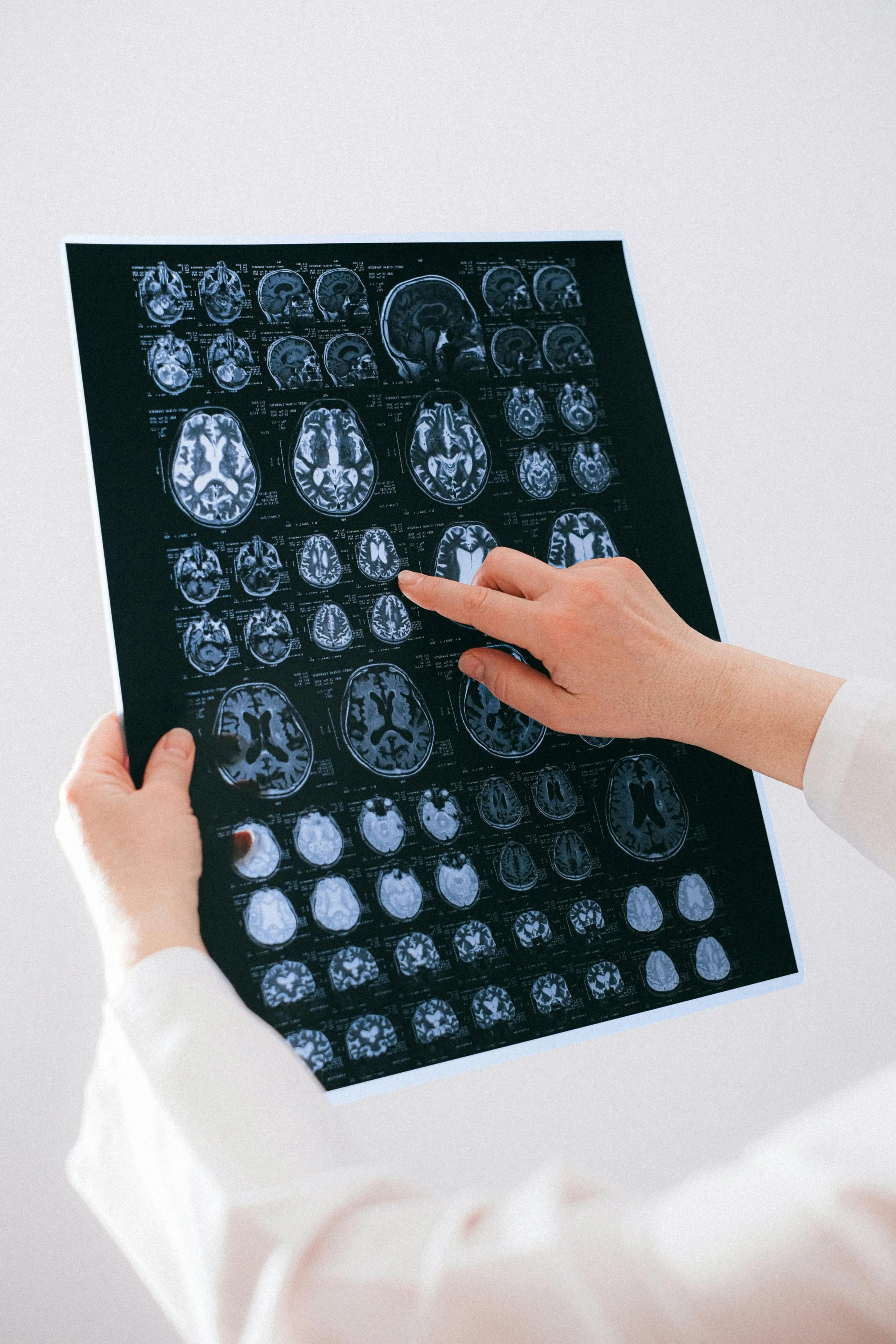
Training Your Brain for Focus and Calm with Mindfulness
Through a process called neuroplasticity, your brain physically reshapes itself based on your thoughts, environment, and habits. By practicing mindfulness, you aren't just calming down; you are literally rewiring your neural pathways for better focus and emotional resilience.

Hacking the Happy Chemicals: How to Work With Your Brain, Not Against It
Have you ever wondered why some days you feel like you can take on anything, while other days the smallest inconvenience feels like a disaster?
We often talk about happiness as a choice or a "state of mind," but your mood is actually a high-tech biological process. It’s the result of constant communication between different parts of your brain and the chemicals that travel between them.
Understanding how this works isn't just for scientists, it’s the first step toward better managing your own emotional well-being.

How Chronic Stress Affects Your Brain, and What You Can Do About It
In today’s always-on world, stress feels almost unavoidable. A little pressure can help us stay alert and motivated, but when stress becomes chronic, lasting weeks, months, or even years, it starts to reshape the brain in ways that affect memory, mood, focus, and overall cognitive health. The good news? Your brain is incredibly adaptable, and there are practical steps you can take to protect and even improve its functioning.

The Benefits of Sharing Life Stories To Boost Brain Health in Older Adults
When most people think about supporting brain health in older adulthood, they often picture crossword puzzles, brain games, or medication. But one of the most powerful cognitive tools is something far more natural, sharing stories.

Digital Detox: How Too Much Screen Time Affects Your Cognition
In today’s world, screens are everywhere: phones, laptops, tablets, TVs, and even smartwatches. Most of us depend on them for school, work, and staying connected. But as screen time increases, many people are starting to ask an important question: What is all of this doing to our brains?

The Science of Attention: Why We Get Distracted and How to Focus
In a world buzzing with notifications, pop-up ads, and endless scrolling, staying focused feels harder than ever. But distraction isn’t just a modern problem, it’s a human one. Our brains are wired to notice new information, especially things that might affect our survival. The trick is learning how to work with your brain’s design instead of against it. Let’s dive into the science of attention, why we get distracted, and how to sharpen your focus in an age of constant interruptions.