The Benefits of Sharing Life Stories To Boost Brain Health in Older Adults
When most people think about supporting brain health in older adulthood, they often picture crossword puzzles, brain games, or medication. But one of the most powerful cognitive tools is something far more natural, sharing stories.
Telling life stories isn’t just a pleasant activity or a walk down memory lane. It’s a meaningful way for older adults to spark memories, connect with others, and keep their minds active. Whether through structured narrative therapy or simple reminiscence conversations, storytelling has become a key part of many successful brain-wellness approaches.
Why Storytelling Strengthens the Brain
When older adults tell stories about childhood adventures, family traditions, past challenges, or proud accomplishments, the brain goes to work. This kind of reflection activates memory networks, encourages sequencing and organization, and engages emotional processing. In other words, storytelling is exercise for the brain.
Reminiscing also helps preserve autobiographical memory, which is deeply tied to identity and emotional health. Seniors who regularly engage in storytelling often show better mood, increased confidence, and stronger cognitive engagement.
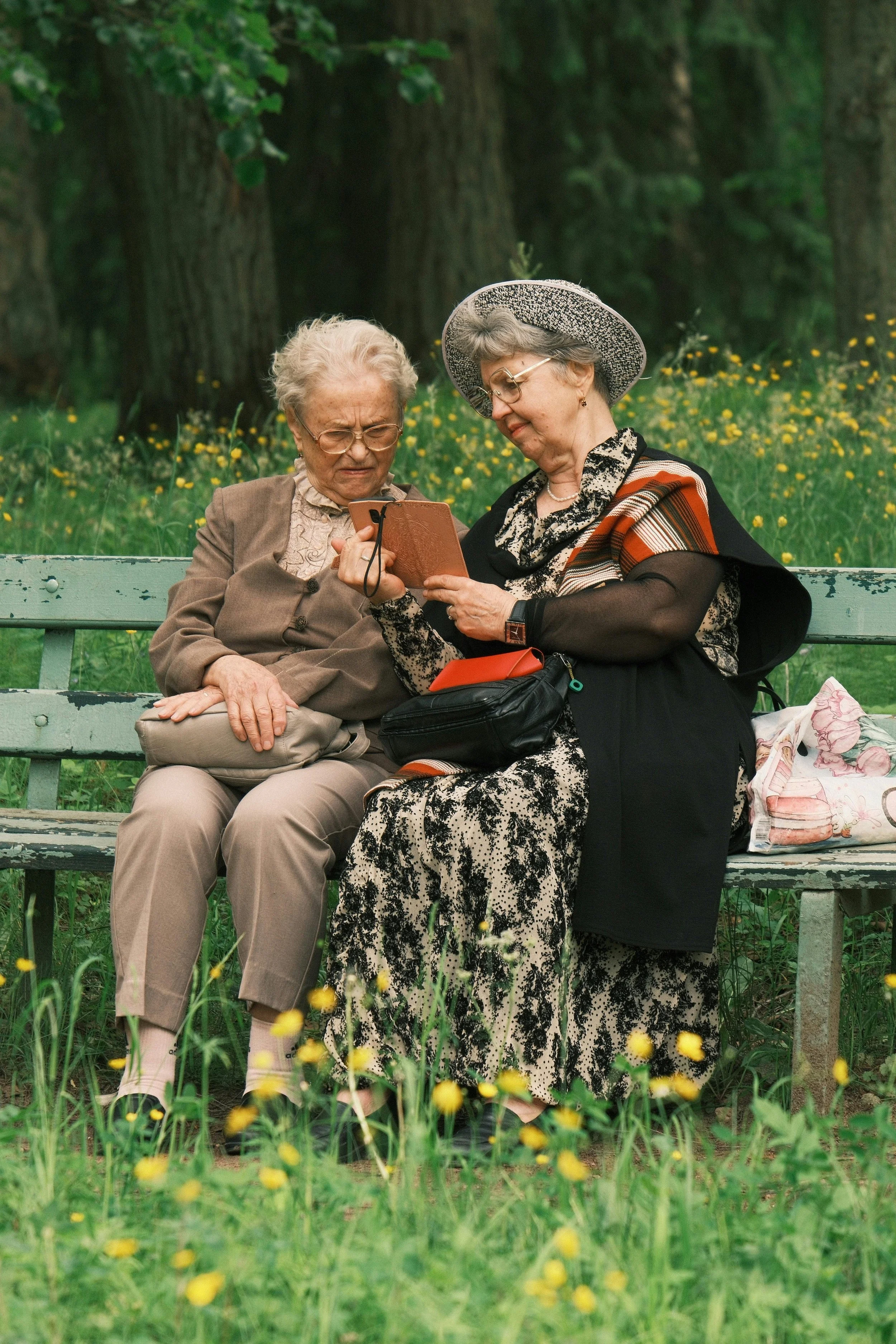
The Emotional Power of Being Heard
Beyond brain benefits, storytelling offers something just as important: connection. When older adults share memories, they’re not just recalling events, they’re offering pieces of themselves. Being heard, validated, and appreciated helps reduce feelings of loneliness and supports emotional wellbeing.
For many seniors, storytelling becomes a way to make sense of life’s transitions, celebrate personal strengths, and pass down wisdom to family or community members. These conversations can spark laughter, deepen relationships, and bring meaning into day-to-day life.
Social Connection and Intergenerational Bonds
Storytelling naturally brings people together. A simple question like “What was your first job?” or “What’s a moment you’ll never forget?” can open the door to rich dialogue. In group settings, reminiscence can build friendships. In families, it strengthens intergenerational ties and helps younger people understand where they come from.
These conversations also create a sense of belonging and continuity, both of which are protective for cognitive health.
How to Encourage Storytelling at Home or in Care Settings
You don’t need formal training to help an older adult begin sharing their stories. Try:
Conversation starters: Ask about favourite vacations, meaningful milestones, or surprising life lessons.
Memory prompts: Use photos, music, or familiar objects to spark memories.
Creative formats: Record short audio clips, create scrapbooks, or help them start a simple “life story journal.”
Regular routines: Set aside weekly “story time” moments with family members, caregivers, or friends.
These small practices can make a big difference in keeping the mind stimulated and the heart connected.
A Simple, Powerful Tool for Healthy Aging
As research continues to highlight the importance of cognitive engagement in older adulthood, storytelling stands out as one of the most accessible and meaningful tools we have. It doesn’t require special equipment or programs, just curiosity, patience, and genuine interest.
Sharing life stories keeps memories alive, strengthens identity, and brings people closer. For older adults, it’s more than reminiscing; it’s a way to stay mentally active, emotionally supported, and deeply connected.
If you support seniors in any capacity, consider weaving storytelling and reminiscence into everyday routines. The benefits truly go beyond the stories themselves.
