Training Your Brain for Focus and Calm with Mindfulness
We often treat our brains like fixed hardware, as if the personality traits or focus issues we have at seventeen are the same ones we’ll be stuck with at seventy. But modern neuroscience has some incredible news: your brain is more like plastic than stone.
Through a process called neuroplasticity, your brain physically reshapes itself based on your thoughts, environment, and habits. By practicing mindfulness, you aren't just calming down; you are literally rewiring your neural pathways for better focus and emotional resilience.
What is Neuroplasticity?
In the past, scientists believed that after childhood, the brain’s structure was set in stone. We now know that the brain remains "plastic" throughout our lives.
Neuroplasticity is the brain's ability to form new neural connections and prune away old ones. Think of your brain like a lush garden. If you walk the same path every day, that trail becomes a clear, permanent walkway. If you stop using a path, the weeds grow over it, and it eventually disappears.
Whatever you practice most, your brain gets better at doing. If you practice distraction (scrolling social media for hours), your brain becomes an expert at being distracted. If you practice focus, your brain builds the “muscle" to stay on task.
How Mindfulness Rewires the Physical Brain
Mindfulness, the practice of maintaining a non-judgmental state of heightened or complete awareness of one's thoughts, emotions, or experiences, acts as a workout for your gray matter.
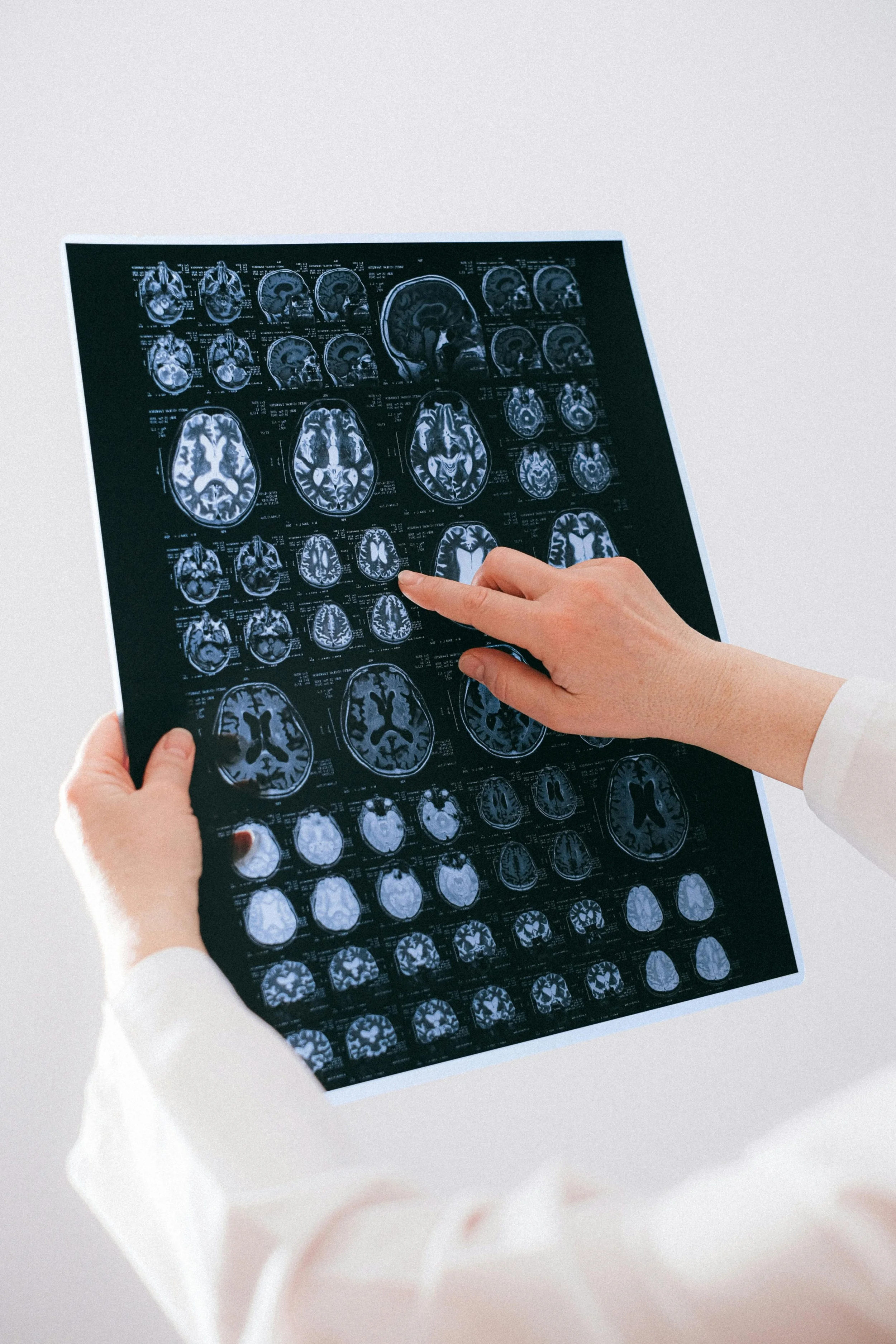
Research using MRI scans has shown that consistent mindfulness practice leads to measurable changes in three key areas:
The Prefrontal Cortex: This area handles high-level functions like decision-making, focus, and impulse control. Mindfulness increases the thickness of this area, helping you stay logical even when things get stressful.
The Amygdala: This is the brain's fight or flight center. In people who practice mindfulness, the amygdala actually shrinks, meaning they become less reactive to stress and experience less anxiety.
The Hippocampus: This region is vital for learning and memory. Mindfulness helps keep this area robust, which is essential for cognitive health as we age.
3 Simple Ways to Train Your Brain Today
You don’t need to move to a monastery to benefit from neuroplasticity. Here are three ways to start rewiring your brain for calm and focus right now:
The Five Senses Check-In: When you feel overwhelmed, stop and name 5 things you see, 4 things you can touch, 3 things you hear, 2 things you smell, and 1 thing you can taste. This pulls your brain out of future-stressing and back into the present moment.
Mono-tasking: Our brains aren't actually built to multitask; we just switch tasks very quickly, which creates mental fatigue. Pick one task (like washing dishes or writing an essay) and give it 100% of your attention for 15 minutes.
Box Breathing: Inhale for 4 seconds, hold for 4, exhale for 4, and hold for 4. This simple physical act signals to your nervous system that you are safe, allowing the prefrontal cortex to take back control from the amygdala.
It’s Never Too Late
Whether you are a student trying to improve your SAT scores or an adult looking to reduce work stress, the principles of development and lifespan tell us that change is always possible.
Your brain is a dynamic system. By choosing where you place your attention, you are the architect of your own mind. Start small, stay consistent, and let neuroplasticity do the heavy lifting.
