What Does ‘Looking Fine’ After a Head Injury Really Mean?
After a head injury, one of the most common things people hear is: “You look fine.”
But when it comes to brain health, appearances can be misleading.
Just because someone looks okay on the outside doesn’t mean their brain has fully recovered.
Why ‘Looking Fine’ Can Be Misleading
Head injuries, especially mild traumatic brain injuries (often called concussions), don’t always show visible signs like bruises or swelling. In fact, many of the most impactful symptoms are invisible.
A person might:
Walk and talk normally
Return to work or school quickly
Seem ‘like themselves’ in short conversations
…but still be struggling internally.
Common Invisible Symptoms After a Head Injury
Even when someone appears fine, they may be experiencing:
Cognitive Changes
Brain fog or slowed thinking
Trouble concentrating or multitasking
Memory lapses
Emotional & Behavioural Changes
Irritability or mood swings
Increased anxiety or depression
Feeling overwhelmed more easily
Physical Symptoms
Fatigue (especially mental fatigue)
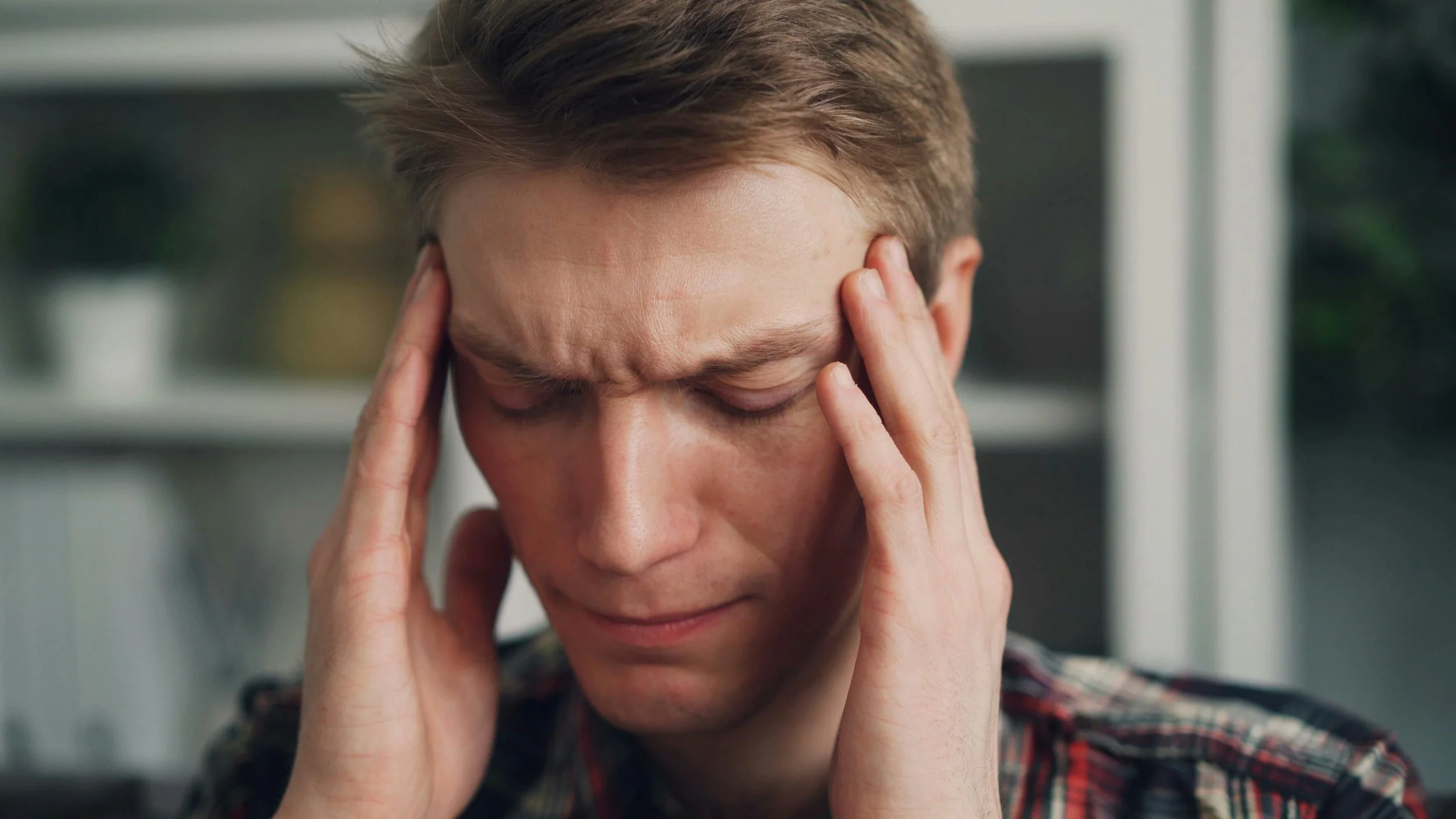
Headaches or pressure in the head
Sensitivity to light or noise
These symptoms can fluctuate, meaning someone may seem okay one moment and struggle the next.
The ‘Good Day’ Trap
Many people assume recovery is complete because of a few ‘good days’. But brain recovery isn’t always linear.
Someone might:
Feel fine in the morning
Crash by mid-afternoon
Struggle after a cognitively demanding task
This inconsistency is a hallmark of brain injury recovery, not a sign that the person is exaggerating or fully healed.
Why Early Return to Normal Isn’t Always Safe
Pushing through symptoms or returning to normal activities too quickly can:
Prolong recovery
Worsen symptoms
Increase risk of another injury
This is especially important for students, professionals, and athletes who may feel pressure to ‘bounce back’.
The Importance of Proper Assessment
If you or someone you know has had a head injury, even a ‘mild’ one, getting a comprehensive cognitive assessment can make a significant difference.
Testing can:
Identify subtle cognitive changes
Provide a clear baseline of functioning
Guide personalized recovery strategies
Support accommodations at work or school
What to Watch For After a Head Injury
Consider seeking support if you notice:
Ongoing fatigue or mental exhaustion
Difficulty keeping up with daily tasks
Changes in mood or personality
Reduced performance at work or school
Even weeks or months after the injury, these signs matter.
How to Support Recovery
Recovery isn’t just about rest; it’s about targeted support.
Helpful strategies include:
Pacing activities and taking cognitive breaks
Gradually increasing mental demands
Prioritizing sleep and stress management
Working with professionals who understand brain function
At the end of the day, ‘looking fine’ doesn’t mean the brain is fully healed.
Head injuries are complex, and many of their effects are invisible. Taking symptoms seriously, even subtle ones, can make all the difference in recovery.
If you’ve noticed changes in your thinking, mood, or energy after a head injury, don’t ignore them. Getting the right support early can help you recover more fully, and get back to feeling like yourself again.
If you are curious about lingering symptoms or want to learn more about the help available, reach out and book a FREE consultation today at drcognitivehealth.com.
