How Long Does It Take the Brain to Heal After a Concussion?
A concussion can feel confusing, frustrating, and unpredictable. One person may feel back to normal within days, while another struggles with headaches, fatigue, or brain fog for weeks or even months. Naturally, one of the most common questions people ask after a head injury is: “How long does it actually take the brain to heal after a concussion?”
The short answer is that concussion recovery varies from person to person. While many people recover within a few weeks, healing is not always linear, and some symptoms can last longer depending on the severity of the injury, previous concussions, stress levels, sleep quality, and overall brain health.
Understanding what happens during recovery can help people make informed decisions, avoid setbacks, and support the brain’s healing process effectively.
What Is a Concussion?
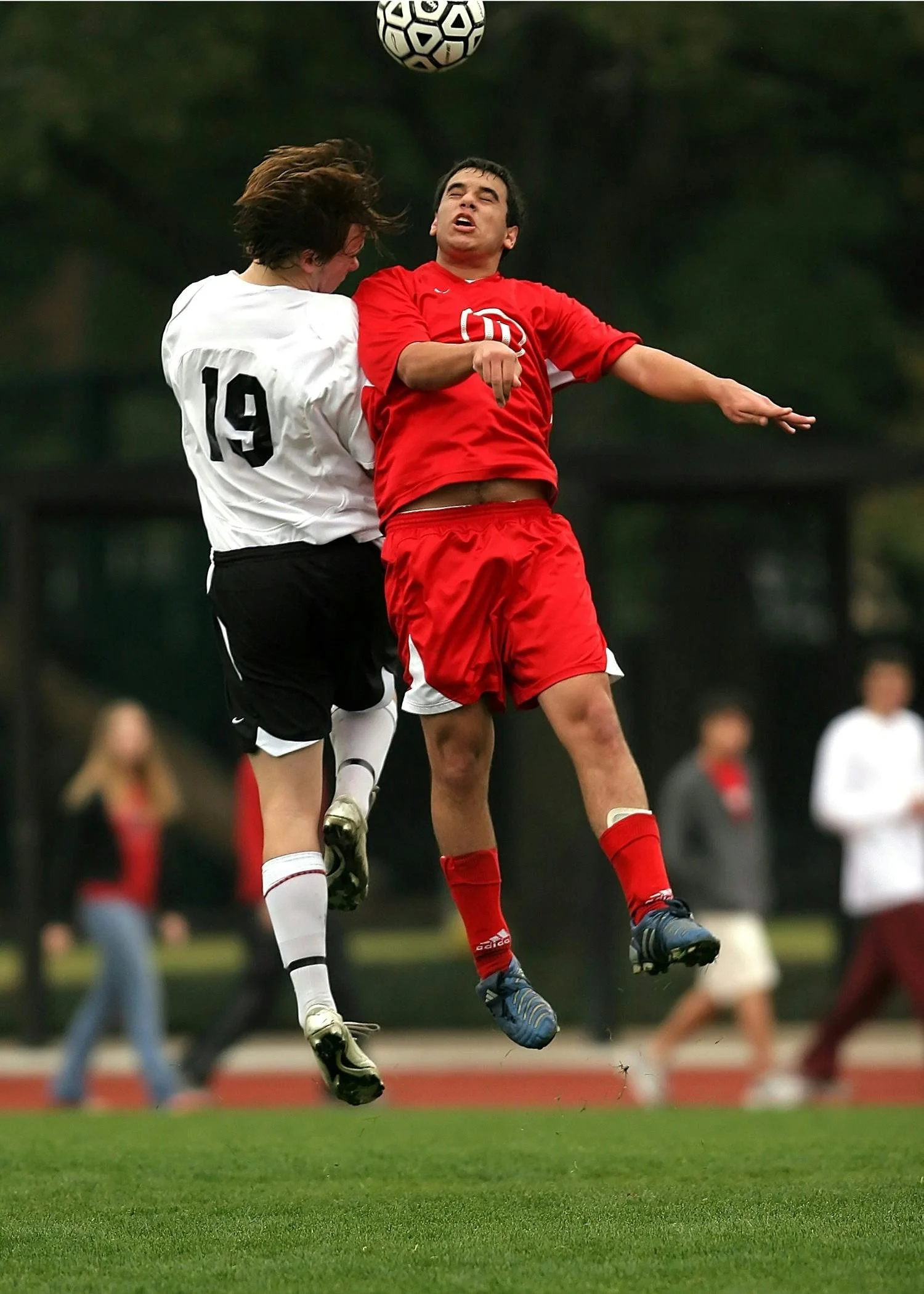
A concussion is a mild traumatic brain injury (mTBI) caused by a blow, jolt, or sudden movement that disrupts normal brain function. Contrary to popular belief, a person does not need to lose consciousness to have a concussion.
Common causes include:
Falls
Sports injuries
Motor vehicle accidents
Workplace incidents
Sudden impacts during daily activities
After the injury, the brain experiences a temporary disruption in communication between nerve cells. This can affect memory, concentration, mood, sleep, balance, and physical functioning.
Common Symptoms After a Concussion
Concussion symptoms can appear immediately or develop over several hours or days.
Physical Symptoms - Headaches, Dizziness, Nausea, Sensitivity to light or noise, Fatigue, Balance problems
Cognitive Symptoms - Brain fog, Difficulty concentrating, Slower thinking, Memory challenges, Feeling mentally overwhelmed
Emotional Symptoms - Irritability, Anxiety, Mood swings, Increased emotional sensitivity
Sleep-Related Symptoms - Sleeping more than usual, Difficulty falling asleep, Poor sleep quality
Because the brain controls so many systems in the body, concussion symptoms can look different for everyone. Also, sometimes where you get hit impacts the healing process or symptomology as well.
How Long Does Concussion Recovery Usually Take?
For most adults, concussion symptoms improve significantly within 2 to 4 weeks. Children and adolescents may take longer to recover because their brains are still developing.
However, recovery timelines vary.
Typical Concussion Recovery Timeline
First 24-48 Hours
The first 24-48 hours generally involve relative rest rather than strict rest or complete isolation. Activities of daily living and light physical activity, such as walking, can be appropriate as long as they cause no more than a mild and brief increase in symptoms. Activities that carry a risk of another head impact, collision, or fall should be avoided until medically cleared.
First 1-2 Weeks
Many symptoms begin to improve. People may slowly return to work, school, or daily routines with modifications.
2-4 Weeks
Many people experience substantial improvement during the first few weeks after a concussion, although recovery time varies from person to person. If symptoms are not progressively improving during this period, further evaluation or rehabilitation may be appropriate.
Beyond 4 Weeks
Symptoms that continue for more than four weeks are referred to as persisting symptoms after concussion. Because ongoing symptoms can have multiple contributing factors, a multimodal clinical assessment may help identify the types, pattern, and severity of symptoms and guide appropriate treatment or rehabilitation.
Why Do Some Concussions Take Longer to Heal?
Recovery after a concussion varies from person to person. The number and severity of symptoms early after the injury can help predict recovery, while other health and injury-related factors may also influence how long symptoms last.
Previous Concussions: A history of concussion may be relevant when evaluating recovery, although it is only one of many factors that should be considered.
Delayed Evaluation or Continuing Activity: Continuing to play after a sport-related concussion or delaying access to a healthcare professional has been associated with longer recovery.
Sleep and Mental Health: Pre-existing sleep disorders, anxiety, or depression have been associated with a greater likelihood of persisting symptoms after concussion.
Early Symptoms: Difficulty concentrating soon after a concussion has been associated with a greater likelihood of persisting symptoms in adults.
Recovery is individual, so these factors do not determine exactly how long a particular person will take to recover.
What Happens Inside the Brain After a Concussion?
A concussion can trigger a complex series of physiological changes in the brain, often described as a neurometabolic cascade. These changes can involve neurotransmitter release, shifts in the balance of ions within and around brain cells, changes in energy metabolism and cerebral blood flow, and possible changes involving nerve fibres.
In the early stages after a concussion, the brain may require additional energy to restore normal cellular balance at a time when its ability to produce and deliver that energy may be disrupted. Researchers sometimes describe this mismatch between energy demand and supply as an energy crisis.
These physiological changes help explain why concussion is considered a functional brain injury even when standard structural imaging, such as a CT scan or conventional MRI, does not show an obvious abnormality. Research also suggests that physiological recovery may not always occur at exactly the same time as the resolution of clinical symptoms.
Can You Speed Up Brain Healing After a Concussion?
There is no single treatment that instantly heals a concussion, but several strategies can support recovery and help people gradually return to their usual activities.
1. Prioritize Sleep
Getting adequate sleep and maintaining a consistent sleep schedule can be an important part of concussion recovery. Sleep disturbance following concussion may also warrant evaluation and treatment.
2. Gradually Return to Activity
After an initial period of relative rest, gradually returning to light physical and cognitive activity is generally recommended as tolerated. Strict or prolonged rest until all symptoms disappear is not recommended. Activities that risk another head impact, collision, or fall should be avoided until medically cleared. The key is finding a balance between activity and symptom aggravation.
3. Reduce Cognitive Overload
Cognitive activity can also be increased gradually based on symptoms. If an activity causes more than a mild and brief increase in symptoms, reduce the intensity and try again as symptoms settle.
4. Stay Hydrated and Nourished
Maintaining regular meals and adequate hydration can support general health during recovery.
5. Seek Professional Assessment When Needed
If symptoms are worsening, are not progressively improving, or continue beyond the expected recovery period, further assessment may be appropriate. Persisting symptoms can have multiple contributing factors, and targeted evaluation may help guide treatment or rehabilitation.
When Should You Seek Medical Attention?
Most concussion symptoms improve over time, but some symptoms following a head injury may signal a more serious brain injury and require immediate medical attention.
Call 911 or go to the nearest emergency department if any of the following danger signs occur after a head injury:
A headache that gets worse and does not go away
Repeated vomiting
Seizures
Increasing confusion, restlessness, agitation, or unusual behaviour
Slurred speech
Weakness, numbness, or decreased coordination
Increasing drowsiness, inability to wake up, or inability to stay awake
One pupil larger than the other or double vision
The Emotional Side of Concussion Recovery
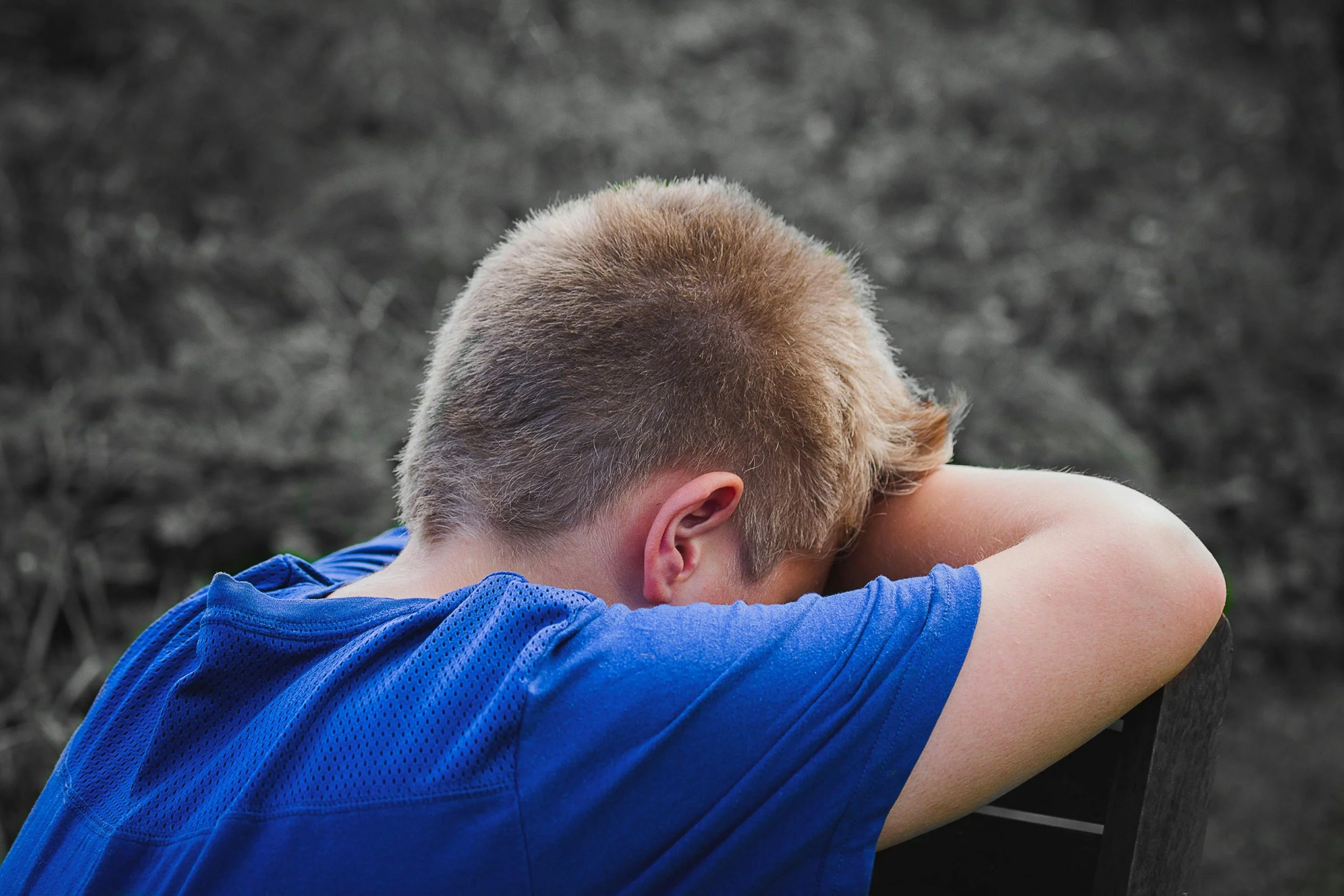
One of the most overlooked aspects of concussion recovery is the emotional impact.
People often become frustrated when symptoms linger longer than expected. They may feel pressure to push through fatigue, difficulty concentrating, or memory issues, especially at work or school.
Recovery can also feel isolating because concussion symptoms are often invisible to others.
Understanding that healing takes time and that recovery is rarely perfectly linear can reduce unnecessary self-criticism and stress during the process.
How Do You Know When the Brain Has Healed?
Concussion recovery cannot be determined by a single symptom, test, or scan. Clinical recovery is generally assessed using several factors, including symptoms at rest and with physical or cognitive activity, clinical findings, and a person’s ability to return to their usual activities (Patricios et al., 2023).
Signs of clinical recovery may include:
Concussion-related symptoms have resolved at rest
Symptoms do not return with progressively increasing cognitive and physical activity
Relevant clinical findings have returned to expected levels
The person has successfully returned to their usual learning, work, and daily activities
For athletes, feeling symptom-free does not by itself mean it is safe to return immediately to unrestricted contact or collision sports. Return to sport should follow a graduated progression, and medical clearance is recommended before returning to activities that carry a risk of contact, collision, or another head injury.
Research suggests that some physiological changes in the brain may sometimes extend beyond clinical recovery. However, the significance of these findings is not yet fully understood, and advanced imaging or biomarkers are not currently recommended for routine assessment of concussion recovery.
How Long Does Concussion Recovery Take?
Concussion recovery varies from person to person. Many people improve substantially within the first few weeks, while others experience symptoms that last longer. Recovery should be evaluated based not only on how someone feels at rest, but also on how symptoms respond to cognitive and physical activity and how well the person has returned to their usual daily functioning.
If symptoms are worsening, are not progressively improving, or continue to interfere with work, school, exercise, or everyday activities, further assessment may be appropriate. For symptoms that persist beyond four weeks, a multimodal evaluation can help identify factors that may be contributing to ongoing difficulties and guide appropriate treatment or rehabilitation.
Cognitive testing may also be useful when there are ongoing concerns about memory, attention, processing speed, or other aspects of cognitive functioning following a concussion.
Ignoring symptoms or rushing back into demanding activities too quickly can prolong recovery. Listening to the brain, and giving it the support it needs, is often one of the most important parts of the healing process.
References
Patricios, J. S., Schneider, K. J., Dvorak, J., et al. (2023). Consensus statement on concussion in sport: The 6th International Conference on Concussion in Sport–Amsterdam, October 2022. British Journal of Sports Medicine, 57, 695–711.
McIntosh, S. J., Vergeer, M. H., Galarneau, J.-M., Eliason, P. H., & Debert, C. T. (2025). Factors associated with persisting symptoms after concussion in adults with mild TBI: A systematic review and meta-analysis.JAMA Network Open, 8(6), e2516619.
Giza, C. C., & Hovda, D. A. (2014). The new neurometabolic cascade of concussion.Neurosurgery, 75(Suppl. 4), S24–S33.
Centers for Disease Control and Prevention. (2025). Symptoms of mild TBI and concussion.
